As a pioneer in the photovoltaic industry, we have gathered industry elites and possess an advanced, innovative, and professional technical team, allowing you to win in a homogenized market with a more personalized and professional approach.
Competitive Products: We have a technological advantage.
Similar Products: We have a price advantage.
Similar Price Products: We have a quality advantage.
Similar Products: We have a service advantage.
Our company adheres to the philosophy of “leading green energy, advocating low-carbon living, and sharing blue skies and white clouds,” actively serving local development and providing intelligent, efficient, and high-quality products and services to our users.
Photovoltaic cells are made of semiconductor materials, primarily silicon. When sunlight shines on the cells, photons excite electrons to escape their atomic orbits, generating direct current (DC). This DC current is then converted into alternating current (AC) used in our homes via an inverter.
Monocrystalline Silicon: Darker in color (near black), higher efficiency (typically exceeding 22%), better performance in low light, and currently the mainstream choice in the market.
Polycrystalline Silicon: Bluish in color, lower cost, but slightly better in high-temperature performance.
Very Significant. Even a small patch of shade (such as tree branches or chimneys) blocking one cell can cause a significant drop in power for the entire module or even the entire cell string. Optimizer or micro-inverter technology in 2026 can effectively mitigate this "weakest link" effect.
Orientation: In the Northern Hemisphere, due south is best; southeast or southwest are next best.
Angle: The ideal tilt angle is usually equal to the local latitude to ensure maximum solar radiation throughout the year.
Shading: Ensure no shading during the critical power generation period from 9 AM to 3 PM.
This depends on local electricity pricing policies. If the local feed-in tariff is low, or there are frequent power outages, installing an energy storage system (such as lithium batteries) can significantly improve the self-consumption rate of electricity, using the electricity stored during the day at night.
Most high-quality photovoltaic modules have a linear power guarantee of 25-30 years. It is usually promised that after 25 years, the power generation efficiency will still be no less than 80%-85% of the initial value.
If there is a lot of rainfall in the area, rainwater can usually act as a self-cleaning agent. However, in areas with high winds or bird populations, dust and bird droppings can create a "hot spot effect," which can seriously damage the modules. It is recommended to inspect the system every six months, and wipe it with clean water in the early morning or evening (when the module temperature is lower).
Modern photovoltaic systems are equipped with comprehensive lightning protection grounding systems and surge protectors. Normally, manual power disconnection is not necessary. However, in the event of extreme thunderstorms, for safety reasons, it is advisable to temporarily disconnect the AC side switch.
Pollution-free, noise-free, and cleaner.
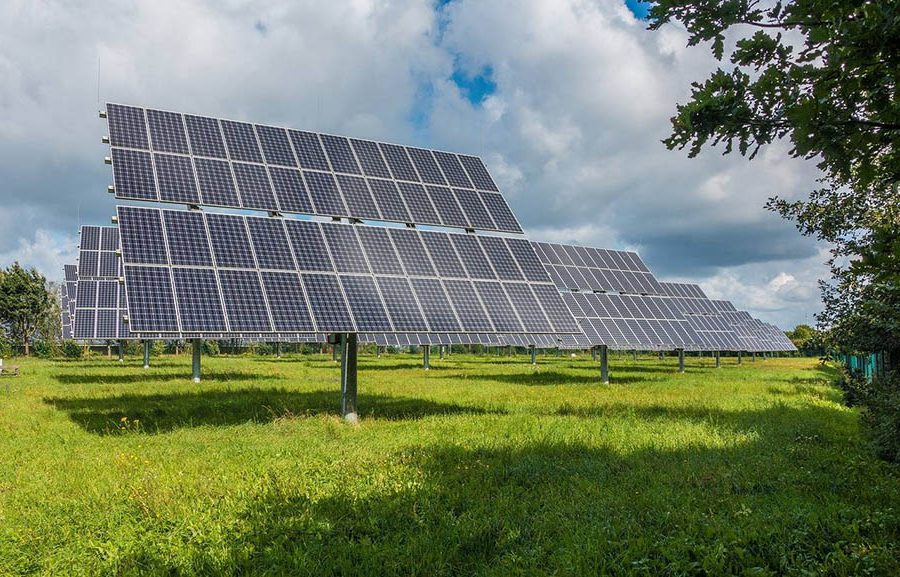
Solar energy resources are inexhaustible; the amount of solar energy reaching the Earth is 6,000 times greater than the energy currently consumed by humankind. Moreover, solar energy is widely distributed across the Earth; photovoltaic power generation systems can be used wherever there is sunlight, without being limited by factors such as location or altitude.
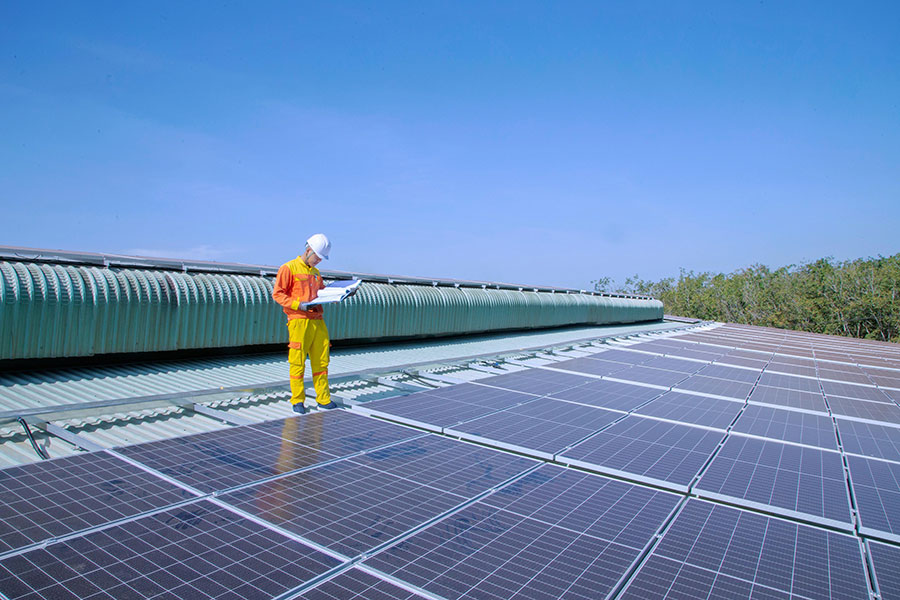
Installation and use can be applied for online, making it easier to obtain.
The energy conversion process of photovoltaic power generation is simple, directly converting light energy into electrical energy without intermediate processes (such as the conversion of heat energy into mechanical energy, or mechanical energy into electromagnetic energy) or mechanical movement, and therefore eliminating mechanical wear. According to thermodynamic analysis, photovoltaic power generation has a very high theoretical power generation efficiency, reaching over 80%, and has enormous potential for technological development.
Installation and use can be applied for online, making it easier to obtain.
The energy conversion process of photovoltaic power generation is simple, directly converting light energy into electrical energy without intermediate processes (such as the conversion of heat energy into mechanical energy, or mechanical energy into electromagnetic energy) or mechanical movement, and therefore eliminating mechanical wear. According to thermodynamic analysis, photovoltaic power generation has a very high theoretical power generation efficiency, reaching over 80%, and has enormous potential for technological development.
Intelligent monitoring and management systems enable more rational energy conservation and consumption reduction.
Photovoltaic power generation itself does not use fuel, emits no substances including greenhouse gases and other waste gases, does not pollute the air, and does not generate noise. It is environmentally friendly and will not be affected by energy crises or fuel market instability. It is a truly green and environmentally friendly new type of renewable energy.
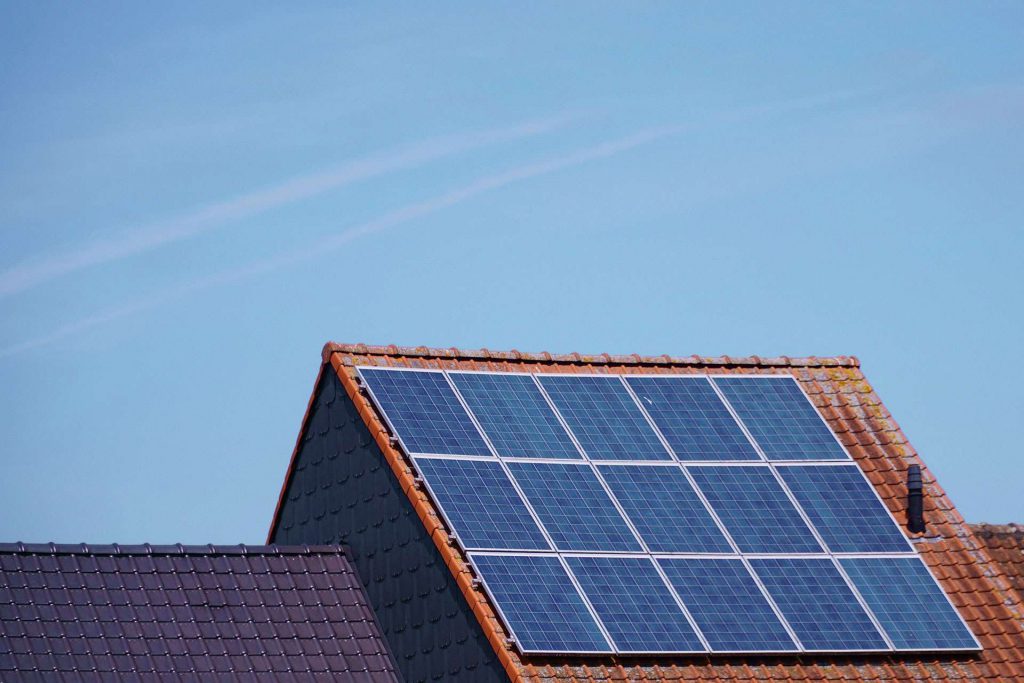
Lower construction costs and more affordable operating costs than public electricity prices
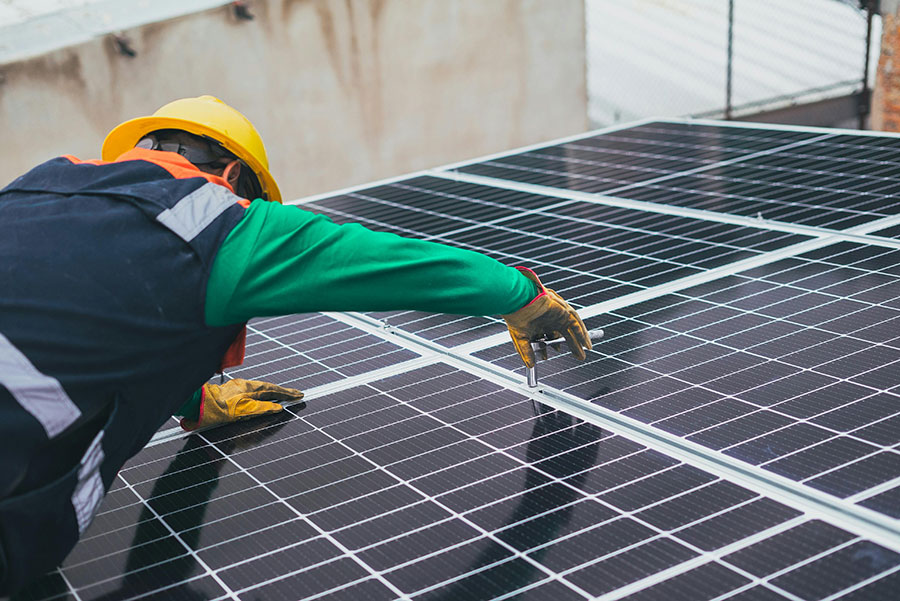
Photovoltaic power generation has no mechanical transmission parts, making it simple to operate and maintain, and ensuring stable and reliable operation. A photovoltaic power generation system only needs solar cell modules to generate electricity, and with the widespread adoption of automatic control technology, it can basically achieve unattended operation, resulting in low maintenance costs.
Lower construction costs and more affordable operating costs than public electricity prices
Photovoltaic power generation has no mechanical transmission parts, making it simple to operate and maintain, and ensuring stable and reliable operation. A photovoltaic power generation system only needs solar cell modules to generate electricity, and with the widespread adoption of automatic control technology, it can basically achieve unattended operation, resulting in low maintenance costs.