Solar Controller
Solar Panels
Inverter
Energy Storage Battery
Solar Energy Applications

news

Article Category

Table of Contents

    Related News

    China and the United States dominate global photovoltaic industry investment, accounting for nearly 50%!

    FAQs

    1. How do photovoltaic systems work?

    Photovoltaic cells are made of semiconductor materials, primarily silicon. When sunlight shines on the cells, photons excite electrons to escape their atomic orbits, generating direct current (DC). This DC current is then converted into alternating current (AC) used in our homes via an inverter.

    2. Monocrystalline Silicon vs. Polycrystalline Silicon: Which to Choose in 2026?

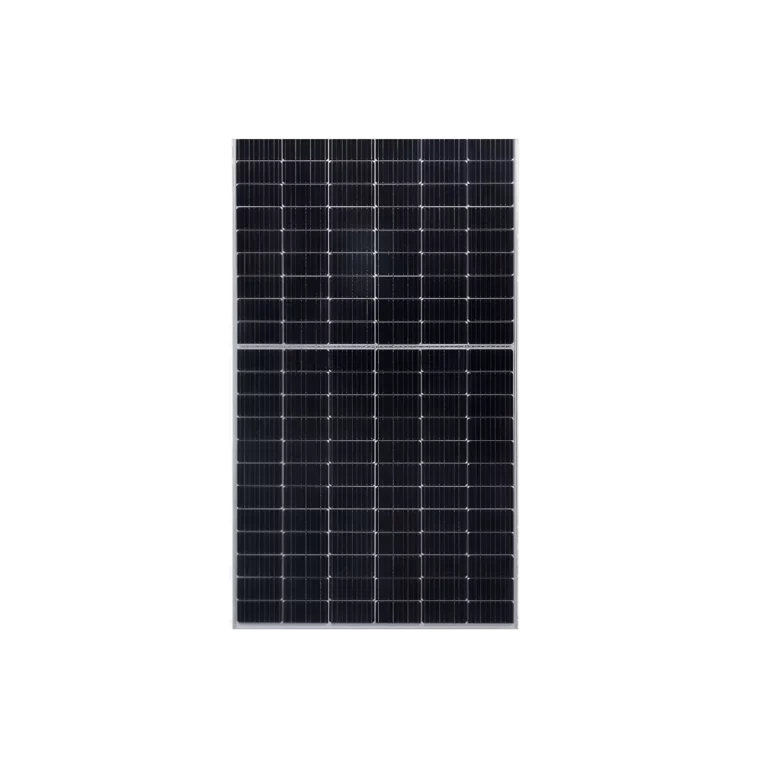
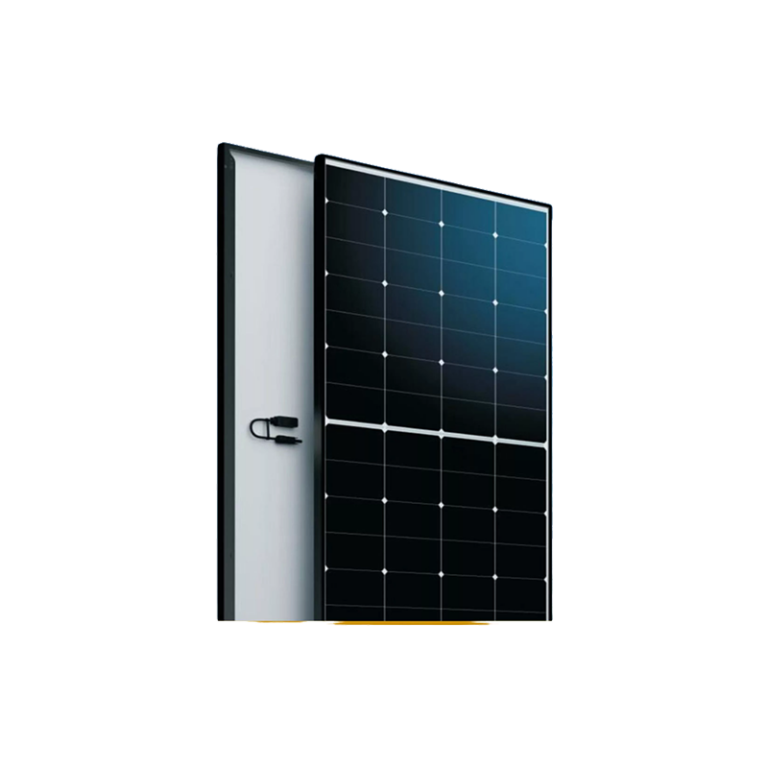
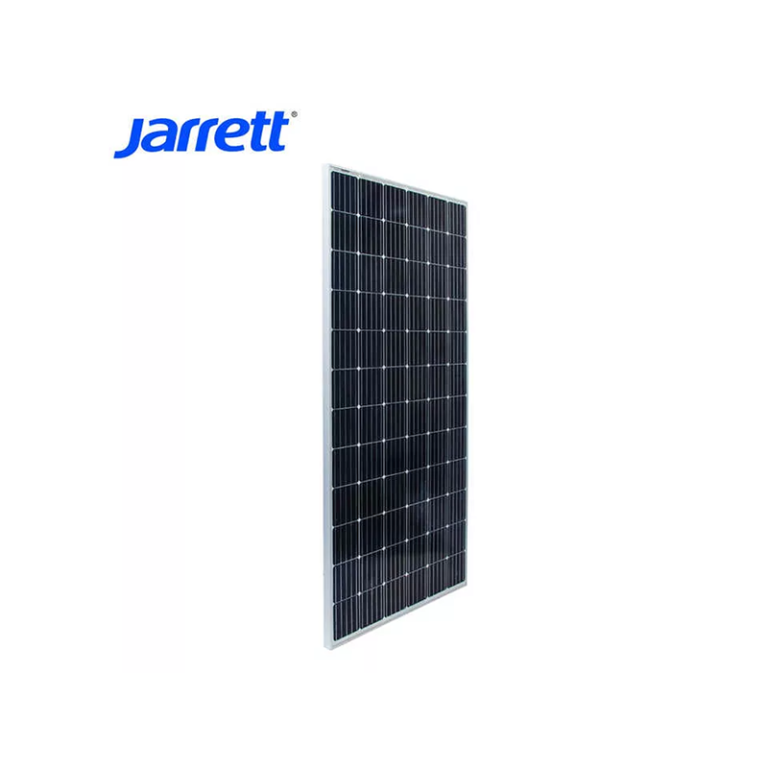
    Monocrystalline Silicon: Darker in color (near black), higher efficiency (typically exceeding 22%), better performance in low light, and currently the mainstream choice in the market.

    Polycrystalline Silicon: Bluish in color, lower cost, but slightly better in high-temperature performance.

    3. How Much Do Shading and Dust Affect Power Generation?

    Very Significant. Even a small patch of shade (such as tree branches or chimneys) blocking one cell can cause a significant drop in power for the entire module or even the entire cell string. Optimizer or micro-inverter technology in 2026 can effectively mitigate this "weakest link" effect.

    4. Is My Roof Suitable for Solar PV?

    Orientation: In the Northern Hemisphere, due south is best; southeast or southwest are next best.

    Angle: The ideal tilt angle is usually equal to the local latitude to ensure maximum solar radiation throughout the year.

    Shading: Ensure no shading during the critical power generation period from 9 AM to 3 PM.

    5. Is it recommended to install energy storage batteries in 2026?

    This depends on local electricity pricing policies. If the local feed-in tariff is low, or there are frequent power outages, installing an energy storage system (such as lithium batteries) can significantly improve the self-consumption rate of electricity, using the electricity stored during the day at night.

    6. How long can a photovoltaic system last?

    Most high-quality photovoltaic modules have a linear power guarantee of 25-30 years. It is usually promised that after 25 years, the power generation efficiency will still be no less than 80%-85% of the initial value.

    7. Do solar panels need frequent cleaning?

    If there is a lot of rainfall in the area, rainwater can usually act as a self-cleaning agent. However, in areas with high winds or bird populations, dust and bird droppings can create a "hot spot effect," which can seriously damage the modules. It is recommended to inspect the system every six months, and wipe it with clean water in the early morning or evening (when the module temperature is lower).

    8. Should the power be cut off during thunderstorms?

    Modern photovoltaic systems are equipped with comprehensive lightning protection grounding systems and surge protectors. Normally, manual power disconnection is not necessary. However, in the event of extreme thunderstorms, for safety reasons, it is advisable to temporarily disconnect the AC side switch.

    Chinese photovoltaic companies Strengthening technological innovation to contribute to the global energy transition

    Achieving carbon peaking and carbon neutrality is a commitment China has made to the world. Renewable energy is an effective way to help achieve these goals. Data shows that by the end of June 2023, my country’s installed capacity of renewable energy exceeded 1.3 billion kilowatts, historically surpassing coal-fired power. Among them, solar power capacity reached 470 million kilowatts, ranking first globally for eight consecutive years. This has not only promoted the green transformation of China’s energy structure but also contributed to global emissions reduction.


    In this interview, we invited She Haifeng, Vice President of LONGi Green Energy, to share the development practices of Chinese photovoltaic companies in promoting the green energy transformation.


    Achieving carbon peaking and carbon neutrality is a commitment China has made to the world. Renewable energy is an effective way to help achieve these goals. Data shows that by the end of June 2023, my country’s installed capacity of renewable energy exceeded 1.3 billion kilowatts, historically surpassing coal-fired power. Among them, solar power capacity reached 470 million kilowatts, ranking first globally for eight consecutive years. This has not only promoted the green transformation of China’s energy structure but also contributed to global emissions reduction.


    In this interview, we invited She Haifeng, Vice President of LONGi Green Energy, to share the development practices of Chinese photovoltaic companies in promoting the green energy transformation.
     

    Share This Post:

    Related Product

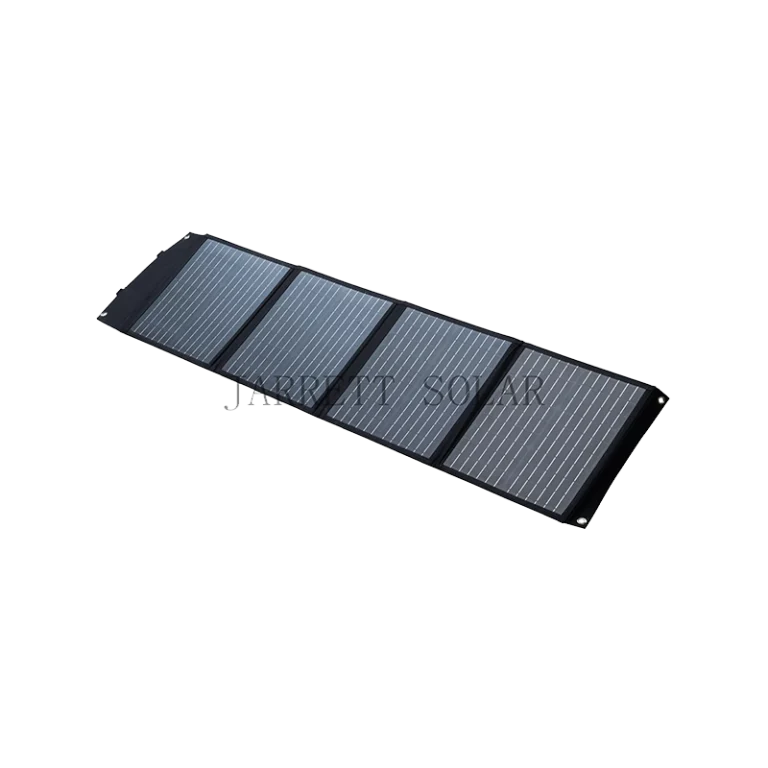
    Folding Solar Panels
    JAR 50W 100W 150W 200W 250W 300W 350W
    550W Solar Panel
    260 280W Solar Panels

    Get in touch,let us know how we can help